You might be dealing with the kind of tooth pain that starts small, then slowly takes over your day. Maybe chewing on one side feels risky, hot coffee sends a sharp signal through your jaw, or the ache keeps you up at night. When that happens, it is hard to focus on anything else. A Wichita Falls dentist can help you find relief, but you may also feel nervous about what treatment will involve and whether your tooth can really feel normal again.
That is often where root canal care enters the picture. The short answer is simple. How Root Canal Therapy Restores Function And Comfort comes down to removing infection inside the tooth, sealing the space, and helping you keep the tooth you already have. When treatment is done at the right time, it can ease pain, protect your bite, and help you get back to eating and speaking without that constant worry in the background.
Why can one damaged tooth affect so much of your daily life?
A tooth is not just a hard outer shell. Inside, there is soft tissue called pulp, which contains nerves and blood vessels. When that inner tissue becomes inflamed or infected, the pain can be intense. According to clinical guidance on endodontic disease and treatment, infection can develop from deep decay, cracks, trauma, or repeated dental work on the same tooth.
Because of this, what starts as a cavity or minor sensitivity can turn into something harder to ignore. You may notice swelling, pressure, lingering pain after eating, or a tooth that feels tender when you bite down. In some cases, the pain comes and goes, which can make it tempting to wait. But if the inner tissue is infected, waiting often gives the problem more time to spread.
So, where does that leave you? Usually with two concerns at once. First, you want the pain to stop. Second, you want to know if the tooth can still be saved. That is why endodontic treatment matters. It is designed to treat the source of the problem rather than simply covering it up.
How does root canal treatment actually restore comfort?
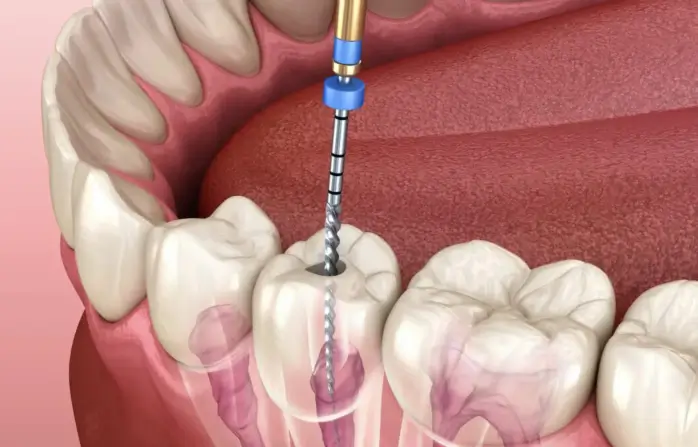
The name alone can make people tense up, often because they connect it with pain instead of relief. In reality, the purpose of a root canal is to remove the infected or inflamed pulp, clean the inside of the tooth, disinfect the canals, and seal them. After that, the tooth is usually restored with a filling or crown so it can handle normal pressure again.
This matters for comfort in a very direct way. If the nerve tissue inside the tooth is damaged or infected, it can keep sending pain signals. Removing that diseased tissue helps stop the cycle. The treatment also helps prevent bacteria from continuing to move deeper into the root and surrounding bone.
Function is the other half of the story. A treated tooth can still help you chew, maintain spacing in your bite, and support normal speech. That is a major reason many people choose a root canal procedure instead of extraction when the tooth can be repaired. Keeping your natural tooth often means fewer changes to the way your mouth works overall.
See also: The Expanding Role of CPAs in Today’s Business Landscape
What happens if you ignore deep decay or infection?
Sometimes people hope the pain will fade on its own. Sometimes cost, scheduling, or fear gets in the way. That is understandable. Still, untreated infection rarely stays still. The MedlinePlus page on tooth decay explains how cavities can progress through the tooth and reach deeper structures when they are not treated.
What if the pain eases for a while? That does not always mean the problem is gone. In some cases, it can mean the nerve is no longer functioning normally, while infection remains. Over time, that can lead to swelling, an abscess, bone loss around the root, and a higher chance that the tooth cannot be saved.
The practical issue is this. Early treatment tends to be simpler than delayed treatment. If a tooth can be preserved with a root canal and proper restoration, you may avoid the added cost and planning that often follow extraction, such as replacing the missing tooth later.
How does a root canal compare with waiting or removing the tooth?
When you are deciding what to do, a side by side view can make things feel less overwhelming. The goal is not to push you. It is to help you see what each path may mean for comfort, function, and long term oral health.
| Option | Main Benefit | Main Risk or Tradeoff | Effect on Function |
| Root canal therapy | Removes infection and keeps the natural tooth | May require a crown and follow up care | Usually restores biting and chewing once healed and restored |
| Waiting | Delays immediate cost or appointment | Infection and pain may worsen, which can reduce treatment options | Function often declines as chewing becomes painful |
| Extraction | Removes the problem tooth completely | Leaves a gap unless replaced, which can affect bite and nearby teeth | Can reduce chewing comfort and may require future replacement |
If you want a plain language overview of what the procedure involves, MedlinePlus offers a helpful summary of root canal treatment. For many people, seeing the steps laid out clearly lowers some of the fear.
What can you do right now if you think you may need root canal care?
1. Pay attention to the pattern of pain.
Notice whether the pain lingers after hot or cold foods, wakes you at night, or gets worse when you bite down. Swelling, a pimple on the gum, or a darkened tooth are also signs worth taking seriously. Even if symptoms come and go, write them down so you can describe them clearly at your visit.
2. Get evaluated before the problem grows.
A general dentist can examine the tooth, take images if needed, and tell you whether the pulp is likely inflamed, infected, or beyond repair. That evaluation is what turns fear into a plan. Instead of wondering, you get real answers about whether root canal treatment, a crown, or another option makes sense.
3. Protect the tooth until you are seen.
Chew on the other side if possible, avoid very hard foods, and keep the area clean with gentle brushing and flossing. If you have swelling, fever, or severe pain, seek prompt dental care. Those signs can point to a more urgent infection.
Can saving the tooth really help you feel like yourself again?
In many cases, yes. Pain changes the way you eat, sleep, talk, and even think. When the source of that pain is treated, the relief is often about more than your tooth. It is about getting back to normal meals, steady sleep, and the sense that you do not have to brace yourself every time you take a bite.
How Root Canal Therapy Restores Function And Comfort is not just a clinical idea. It is a practical one. Remove the infection, protect the tooth, and give your mouth a chance to work the way it should. If you are dealing with signs of deep decay or tooth infection, schedule an evaluation with a general dentist and find out what can still be saved.