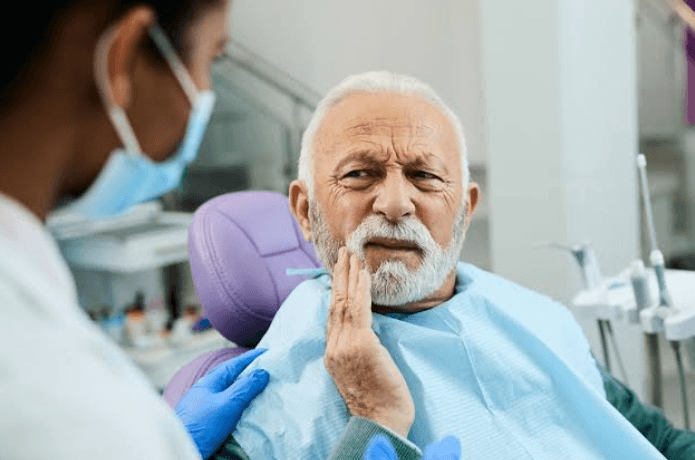
You might not think much about your teeth until something changes. A little pain when you chew, gums that bleed when you brush, or a tooth that suddenly feels weak can shift your whole day. Then the worry starts. Will this get worse? Will I lose a tooth? Will it cost more if I wait? If that sounds familiar, you are not overreacting. Your natural teeth affect how you eat, speak, smile, and feel around other people, so even a small problem can carry a lot of stress. If you are looking for a dentist near Rockton IL, getting care sooner can help prevent a small issue from becoming a bigger one.
The good news is that a family dentist does far more than fill cavities. Ongoing care helps catch small issues early, protect your gums, lower your risk of tooth loss, and support habits that keep your own teeth working well for years. In simple terms, regular dental care is one of the best ways to hold on to the teeth you were born with.
Why does keeping your natural teeth matter so much?
It is easy to assume that losing a tooth is just part of getting older, but that is not the full story. According to the CDC’s information about tooth loss, adults can lose teeth because of decay, gum disease, injury, or other health factors. In many cases, that loss is preventable. That matters because your natural teeth are designed to work together. When one is damaged or missing, the pressure on the others changes, chewing can become harder, and even your speech may shift.
Because of this, preventive dental care for families is not just about cleanings. It is about protecting structure, function, and comfort. A family dentist watches for signs that are easy to miss at home, like early enamel wear, small cracks, grinding, or gum recession. These problems often start quietly, which is why they can become expensive and painful when ignored.
How can a family dentist spot trouble before you feel it?
This is where routine visits make a real difference. You may feel fine and still have early decay between teeth, buildup below the gumline, or inflammation that has not turned into pain yet. A family dentist checks the full picture, including teeth, gums, bite, and soft tissue. If something looks off, treatment can start while the fix is still simple.
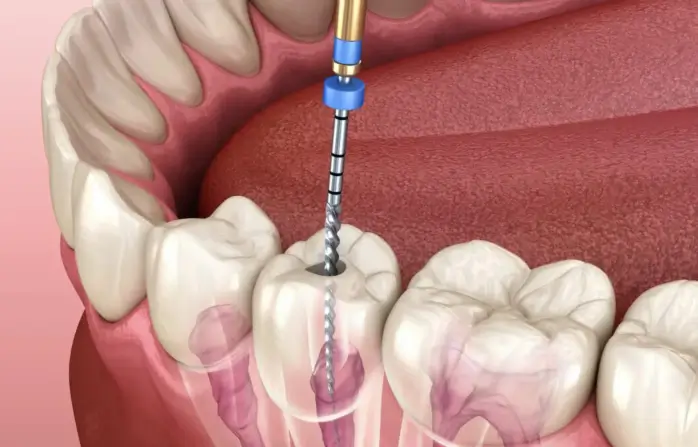
Think about a common scenario. You skip visits for a year or two because life gets busy. There is no major pain, so it feels safe to wait. Then one day, a small cavity that could have needed a basic filling has reached the nerve. Now you may be facing a root canal, a crown, or even an extraction. So, where does that leave you? Often with more cost, more time in the chair, and more worry than you would have had with regular care.
Family dentists also help protect your gums, which is a big part of keeping your natural teeth. Gum disease can loosen the support around teeth over time, even if the teeth themselves are not badly decayed. The National Institute of Dental and Craniofacial Research shares practical guidance on oral hygiene, including brushing, flossing, and regular professional care. Those basics matter because healthy gums help keep teeth stable.
What does daily care at home do, and where does professional care fit in?
Home care matters a great deal, and it works best when paired with regular checkups. Brushing twice a day with fluoride toothpaste, cleaning between teeth, drinking water, and watching sugar intake all lower your risk. The CDC offers useful oral health tips for adults that support these habits. Still, even careful brushing cannot remove hardened tartar, and it cannot replace a trained exam.
That is why many people benefit from seeing a dentist for all ages, not only when something hurts. Children need guidance as teeth grow in. Adults need support for wear, fillings, gum changes, and stress habits like clenching. Older adults may need help managing dry mouth, medications, or shifting dental work. A family practice can follow these changes over time, which makes care more consistent and personal.
What are the real differences between home care alone and regular family dental visits?
| Approach | What It Helps With | What It Can Miss | Likely Long Term Outcome |
|---|---|---|---|
| Home care alone | Daily plaque control, fresher breath, lower cavity risk | Tartar buildup, early cavities, gum pockets, bite issues, hidden cracks | Better than doing nothing, but problems may grow unnoticed |
| Regular visits with a family dental care provider | Professional cleaning, exams, X rays when needed, early treatment, habit coaching | Less likely to miss silent problems because care is monitored over time | Stronger chance of keeping natural teeth longer with fewer major procedures |
The table makes one point clear. Daily effort at home is important, but it works best when someone is also checking for what you cannot see. That partnership often makes the difference between simple maintenance and larger repairs.
What can you do right now to protect your own teeth?
1. Pay attention to small warning signs.
Bleeding gums, tooth sensitivity, bad breath that does not go away, or a tooth that feels rough or loose should not be brushed off. These signs do not always mean a major problem, but they do mean your mouth needs attention.
2. Tighten up your daily routine.
Brush for two minutes twice a day with fluoride toothpaste. Clean between your teeth once a day. If you snack often or sip sweet drinks, try to cut back. Small changes done every day do more for your teeth than occasional bursts of effort.
3. Stay consistent with dental visits.
If it has been a while, do not let guilt stop you from going back. Family dentists see this every day, and the goal is to help you move forward, not judge you for the gap. Consistent care gives you the best shot at avoiding pain, surprise costs, and tooth loss later.
See also: Cheap Business Class Flights to Japan: Deals, Airlines, and Travel Tips
Can keeping your natural teeth really be that simple?
In many cases, yes. Not always easy, but often simple. The pattern is usually the same. Catch problems early, treat them before they spread, and support your teeth and gums with steady habits. That is how family dentists help maintain natural teeth. They do not just repair damage after the fact. They help you protect what is still healthy, which is often the most valuable care of all.
If you have been putting off a visit or wondering whether a small issue can wait, this may be the right time to act. Taking care of your natural teeth now can save you discomfort, money, and hard choices later.