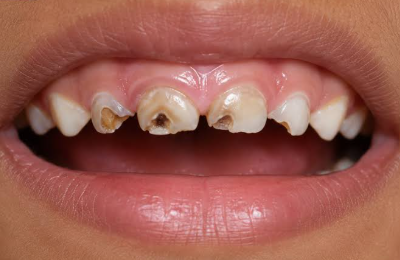
You noticed the front baby tooth getting worse, not better. Maybe it started as a white spot, then a brown edge, then a piece broke off during lunch or after a small fall. Now your child smiles less, food gets stuck, and you are left wondering whether a baby tooth that damaged really needs treatment. That stress is real, especially when the tooth is in the front and impossible to ignore. If you need a kids emergency dentist in Santa Ana, CA, getting prompt care can help protect your child’s comfort and smile.
Severely damaged front baby teeth can affect comfort, eating, speech, and confidence. They can also break down fast once decay or trauma reaches the inner part of the tooth. In many cases, strip crowns give pediatric dentists a way to rebuild the tooth so it looks natural and works again. They are not right for every situation, but when enough tooth structure can be restored and the infection is controlled, they can be a strong option for front primary teeth.
Strip crowns restore form and function in front primary teeth
A strip crown is a tooth colored restoration used on front baby teeth. The pediatric dentist fills a clear plastic crown form with tooth colored material, shapes it over the prepared tooth, hardens the material, and then removes the plastic shell. What stays behind is a smooth, natural looking crown that covers the damaged tooth.
This matters when the damage is more than a small cavity. A filling can work for a minor spot. It often fails when the front tooth has decay on several sides, a large fracture, or weak enamel from early childhood cavities. At that point, the tooth needs coverage, not just a patch. The goal is to protect what is left, reduce sensitivity, help your child bite into food, and keep the tooth in place until it is ready to fall out on its own.
The American Academy of Pediatric Dentistry includes full coverage restorations among accepted options for badly decayed primary teeth in its restorative dentistry guidance. For front teeth, strip crowns are widely used because they can blend in far better than metal options.
Severe decay in baby front teeth often needs more than a filling
You may hear, “They are baby teeth anyway,” and that can make the decision harder. The problem is that front baby teeth still do a job every day. They help your child bite into foods like sandwiches and fruit. They support speech sounds. They also hold space and support normal oral development. When a front tooth is badly damaged, children can start avoiding certain foods, chewing oddly, or hiding their smile.
If the decay reaches the pulp, the soft tissue inside the tooth, the plan may also include pulp therapy before the crown goes on. That is common in pediatric dentistry. The focus is to remove infected tissue when possible, keep the tooth comfortable, and preserve it if it can still function safely. The AAPD outlines those treatment choices in its guidance on pulp therapy for primary teeth.
This is where timing matters. A front baby tooth with a small defect can become a much larger problem in weeks, especially in young children with frequent juice, milk at bedtime, dry mouth, or enamel defects. Once the tooth is hollowed out, it can snap near the gumline. That makes treatment harder and can take a strip crown off the table.
Esthetic pediatric crowns can help children feel normal again
Parents often focus first on infection and pain, which makes sense. Then the emotional side shows up. A child who used to grin in every photo starts covering their mouth. Another gets teased because the front tooth looks black or broken. That is not vanity. It is a child reacting to how visible the damage is.
Esthetic pediatric crowns can make a real difference because they restore the look of the tooth along with its strength. A well done strip crown can closely match neighboring teeth. Clinical reports on restoring primary incisors with resin crowns have shown why this approach remains a common choice for severely decayed front baby teeth.
Appearance is only part of it. The crown also creates a smoother surface that is easier to clean than a crumbling tooth edge. That can lower the cycle of trapped food, plaque buildup, and repeated breakage. If your child has ever bitten into something soft and still cried because the tooth edge caught or cracked, you already know how much that matters.
Strip crowns and other treatment choices differ in durability and appearance
| Treatment Option | Best Use | Appearance | Durability | Limits |
|---|---|---|---|---|
| Small filling | Minor cavity or chip | Usually tooth colored | Lower in large defects | Can fail when too much tooth is missing |
| Strip crowns for baby teeth | Large decay or fracture in front baby teeth | Very natural looking | Good when bonded well and kept clean | Needs enough remaining tooth and moisture control during placement |
| Extraction | Tooth is not restorable or infection is severe | Leaves a gap | Definitive removal of problem tooth | Loss of tooth sooner than planned |
No restoration lasts forever in a child who grinds, bites hard objects, or has ongoing high cavity risk. Strip crowns can chip or come off, especially if the original tooth was very weak or oral habits continue. Even so, they often offer the best mix of appearance and function for front teeth that can still be saved.
Pediatric dentist visits are easier when you know what to ask
1. Ask whether the tooth is still restorable.
The key question is not just whether a crown can be placed. Ask if there is enough healthy tooth left above the gumline, whether the root is sound, and whether signs of infection are present. That answer tells you if a front baby tooth crown is realistic or if another treatment is safer.
2. Ask what happens inside the tooth before the crown.
If the nerve is affected, your child may need pulp therapy first. Ask how the dentist checks for this, what symptoms point to deeper infection, and what follow up is needed. A crown placed over an untreated infection will not solve the problem.
3. Ask how to protect the result at home.
Daily brushing with fluoride toothpaste, limiting frequent sugary drinks, and stopping habits like chewing ice or biting toys all matter. Ask for specific food and hygiene advice based on your child’s age, because home care is what helps the crown last.
See also: The Expanding Role of CPAs in Today’s Business Landscape
Restoring badly damaged baby front teeth can protect comfort and confidence
If your child has a front baby tooth that is broken down, you do not need to guess your way through it. Severe damage in these teeth is common, treatable, and worth addressing before the tooth breaks further or becomes painful. Strip crowns can rebuild many front baby teeth in a way that looks natural and lets your child eat, speak, and smile more comfortably.
Schedule a visit with a pediatric dentist and ask for a clear explanation of whether the tooth can be restored, whether pulp treatment is needed, and what option fits your child best.