You might be feeling pulled in two directions. On one hand, you want a healthier, straighter smile. On the other, you may have heard so many mixed messages about braces, aligners, jaw pain, cost, and timing that it becomes hard to know what is true. That kind of confusion can keep you stuck, especially when you are trying to make a smart choice for yourself or your child, which is why many families look for modern dental solutions for Rowlett residents.
Here is the short version. Many of the beliefs people repeat about orthodontic care are outdated, oversimplified, or just plain wrong. General dentists and orthodontists often work together to look at the full picture, which includes your teeth, bite, gums, and jaw comfort. Once a few common myths are cleared up, the path forward usually feels much less stressful.
Do braces and aligners only matter for looks, or can orthodontic treatment help more than appearance?
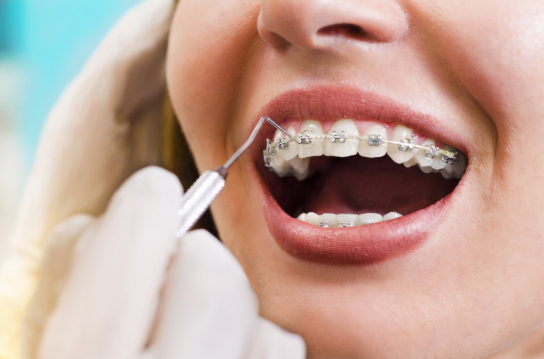
One of the biggest myths is that orthodontics is only cosmetic. Yes, straighter teeth can improve the way your smile looks, and that matters to many people. But appearance is only part of the story. Crooked, crowded, or widely spaced teeth can be harder to clean, which may raise the risk of plaque buildup, decay, and gum problems over time.
Your bite matters too. When upper and lower teeth do not meet the right way, chewing can become less efficient, teeth can wear unevenly, and some people may even notice strain in the jaw. If you have questions about jaw discomfort, clicking, or soreness, it helps to review trusted information on temporomandibular disorders. Not every bite issue causes jaw trouble, but the connection is worth taking seriously.
So, where does that leave you? It means orthodontic myths debunked should start with this truth. Straightening teeth is often about function and long term oral health, not just looks.
See also: Turbine Blend Polish Peen Services: Enhancing Performance and Component Life
Is orthodontic care only for teenagers, or can adults still benefit?
Another myth says that if you missed braces as a teen, your chance is gone. That is simply not true. Adults seek orthodontic care every day, sometimes because they never had treatment, and sometimes because teeth shifted after earlier care.
Life changes teeth. Gum health changes, missing teeth change spacing, and grinding can affect bite patterns. An adult may want clear aligners for convenience, or traditional braces for more complex movement. Either way, age alone does not disqualify you. What matters more is the health of your teeth, roots, gums, and bone.
This is where a general dentist can be especially helpful. A dentist may spot decay, gum disease, or worn fillings that should be handled before tooth movement begins. That coordinated approach often leads to safer, smoother treatment.
Will braces always cause jaw pain or TMJ problems?
This myth causes a lot of worry, and that worry is understandable. If you already have jaw clicking or facial soreness, you may fear that orthodontic treatment will automatically make it worse. The truth is more nuanced.
Braces and aligners can cause temporary soreness as teeth begin to move, especially after adjustments or when switching aligner trays. That is normal and usually short lived. But temporary tooth pressure is not the same thing as a temporomandibular disorder.
Research does not support the simple claim that orthodontic treatment directly causes TMD in every case. Jaw pain can have many causes, which is why proper evaluation matters. If symptoms are already present, it is wise to review a reliable summary of TMD treatment information and speak with a dental professional who can assess your bite and jaw function together.
In other words, do not assume braces are the enemy. Do not assume they are the cure either. A careful exam is what gives you useful answers.
Is professional orthodontic treatment really different from DIY straightening?
This is where people can get into trouble. Mail order or unsupervised tooth straightening can sound appealing because it seems simple and lower in cost. But moving teeth is a biological process, not just a cosmetic one. Teeth have roots, and those roots sit in bone and are surrounded by gum tissue. If movement is not monitored, problems can be missed.
A general dentist and orthodontist can check for hidden concerns like cavities, bone loss, bite imbalance, root issues, or gum inflammation before and during treatment. Without that oversight, a person may end up with straighter front teeth but a worse bite, gum damage, or pain when chewing.
| Option | Main Benefit | Main Risk | Best Fit |
|---|---|---|---|
| Professional orthodontic care | Customized planning with exams, imaging, and follow up | Higher upfront cost in some cases | People who want safer tooth movement and bite monitoring |
| DIY or unsupervised aligners | Lower apparent cost and convenience | Missed dental disease, poor bite changes, limited oversight | Rarely ideal when full oral health has not been evaluated |
If you have been comparing options online, this is the heart of it. Common orthodontic misconceptions often grow when treatment is treated like a product instead of a health service.
Does orthodontic treatment always take years and cost more than expected?
Many people assume every case lasts for years and becomes financially overwhelming. Some cases do take longer, especially when bite correction is complex. But not every patient needs the same timeline. Minor spacing may take much less time than severe crowding. Clear aligners may work well for one person, while braces may be more efficient for another.
Cost also depends on complexity, appliance type, and whether other dental work is needed first. A good exam gives you a more honest estimate than rumors from friends or quick online guesses. When people hear “braces” and picture one long, painful, expensive process, they often avoid care longer than they need to. That delay can allow crowding, wear, or gum issues to worsen.
The better question is not “Will this be too much?” It is “What does my mouth need now, and what might happen if I wait?” That is a much more useful way to think about general dentist and orthodontist care.
What can you do right now if you are unsure about orthodontic treatment?
1. Write down the symptoms or concerns you actually have. Are you worried about crowding, chewing, jaw clicking, relapse after old braces, or cleaning between overlapping teeth? A short list helps guide a more focused visit.
2. Ask for a full dental and bite evaluation. A proper exam should look beyond whether teeth appear crooked. It should also consider gum health, restorations, wear patterns, and jaw function. That is how braces and aligners facts become personal and useful, instead of generic.
3. Compare treatment options based on health, not hype. Ask what each option can fix, what it cannot fix, how long it may take, and how follow up works. Clear answers now can spare you frustration later.
If you have been putting this off because the information feels overwhelming, that makes sense. Dental decisions can feel personal, expensive, and hard to judge from the outside. Still, many of the fears people carry come from myths, not from the reality of modern care. Once those myths are cleared away, you can make a calmer, more informed choice about your next step with a trusted dental professional.