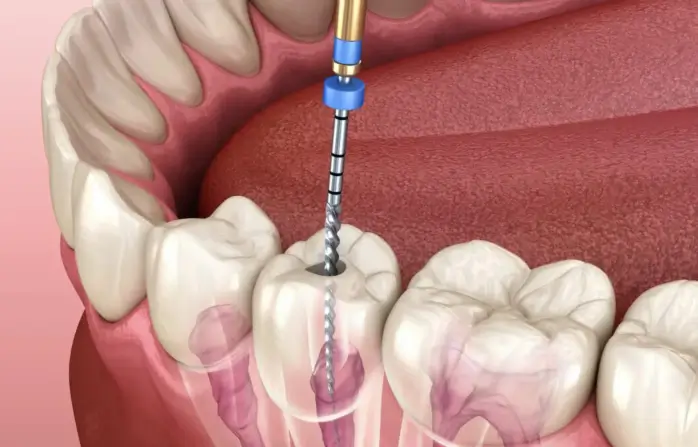
You might be doing that quiet math in your head every time you eat, smile, or look in the mirror. Maybe a missing tooth started as “something to deal with later,” and now later has a way of showing up in daily life. Food gets stuck where it did not before. You chew on one side. You smile with your lips closed in photos. If that sounds familiar, you are not overthinking it. Changes in your mouth can affect comfort, confidence, and even how easy it feels to get through the day. Talking with a dentist in Great Falls, MT can be a helpful next step.
Here is the short version. If you have a missing tooth, loose dentures, trouble chewing, shifting teeth, or ongoing bone loss in your jaw, it may be time to talk with a general and implant dentist. Dental implants are not right for everyone, but they can be worth asking about when your mouth no longer feels stable or predictable.
When does a missing tooth become more than a cosmetic issue?
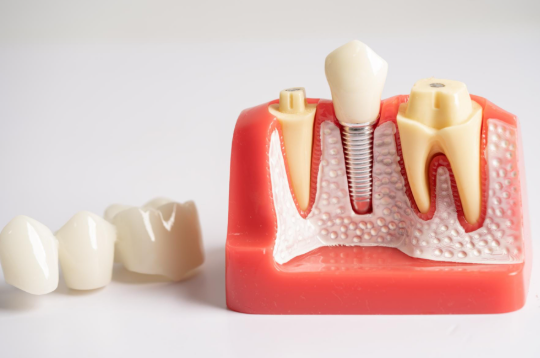
At first, it can seem manageable. You avoid crunchy foods, you angle your smile, and you tell yourself it is fine. But a gap in your smile can do more than change appearance. Teeth on either side may begin to drift, your bite can shift, and the jawbone under the missing tooth may start to shrink over time. According to the NCBI overview of dental implants, implants are often used to replace missing teeth while helping support function and bone in the area.
So, where does that leave you? If you have been living with one or more missing teeth and adjusting your habits around them, that is your first sign to start the conversation. You do not need to wait until things get worse to ask questions.
See also: Turbine Blend Polish Peen Services: Enhancing Performance and Component Life
Are loose dentures or a slipping partial wearing you down?
Many people try to make peace with dentures that move around. They use more adhesive, avoid certain foods, and grow used to the fear that something might shift while talking. That can be exhausting, even if you rarely say it out loud.
If your denture or partial no longer feels secure, that is another sign to ask about implant options. In some cases, implants can help anchor a denture and improve stability. That can mean easier chewing, clearer speech, and less daily frustration. A tooth replacement option should support your life, not make you plan around it.
Why does chewing feel harder than it used to?
If you have started cutting food into smaller pieces, avoiding meats or raw vegetables, or chewing only on one side, your mouth may be telling you something. Trouble chewing is not just an inconvenience. Over time, it can affect nutrition, digestion, and your willingness to enjoy meals with other people.
This is especially important if the issue began after tooth loss or after an older restoration stopped working well. Asking about implants does not mean you are committing to treatment. It simply means you are taking chewing problems seriously before they lead to more strain on nearby teeth and gums.
Could shifting teeth or bite changes be a warning sign?
Your teeth work as a team. When one is missing, the others often respond. A tooth may tip into the empty space. Your bite may start to feel “off.” You may notice more clenching, uneven wear, or soreness in your jaw when you wake up.
Because of this tension, you might wonder if it is all connected. It often is. A missing tooth can change how force moves through your mouth. If your teeth seem to be moving or your bite no longer feels natural, that is a strong reason to ask a dentist whether implant dentistry could help restore balance.
Is bone loss or gum trouble changing what treatment is possible?
One of the less obvious signs is what you cannot easily see. After a tooth is lost, the jawbone in that area can shrink. Gum disease can also affect the health of the bone and soft tissue that support future treatment. That does not always rule implants out, but it can change timing and planning.
Good daily care matters here. The National Institute on Aging offers practical guidance on taking care of your teeth and mouth, including brushing, flossing, and watching for changes that deserve attention. If you have been told you have bone loss, gum issues, or thinning in the jaw, do not assume you have run out of options. Ask what is still possible.
How do implants compare with other ways to replace a tooth?
There is no single answer for every mouth. Still, a simple side by side view can help you see why this conversation matters.
| Option | What it may help with | What to think about |
|---|---|---|
| Dental implant | Replaces a missing tooth root and crown area, may help preserve jawbone, does not rely on neighboring teeth | Requires evaluation, healing time, and enough bone or a plan to address bone loss |
| Dental bridge | Fills a gap and restores appearance and chewing | Usually depends on neighboring teeth for support |
| Removable partial or denture | Can replace several teeth and may cost less upfront | May move during eating or speaking, may need adjustments over time |
| No replacement | No immediate treatment cost | Can lead to shifting teeth, bite changes, and bone loss in the empty area |
What can you do right now if these signs sound familiar?
1. Write down the changes you have noticed. Include when the tooth was lost, whether chewing hurts, if your denture slips, and whether your bite feels different. Specific details help your dentist spot patterns.
2. Ask for an implant evaluation, not a sales pitch. You are allowed to ask simple, direct questions. Am I a candidate? What are my alternatives? What happens if I wait? If you need help finding care, the National Institute of Dental and Craniofacial Research has guidance on finding dental care.
3. Protect the teeth and gums you have now. Brush twice a day, clean between your teeth, and keep up with routine visits. Even if you are still deciding, healthy gums and good home care can improve your options.
If you have noticed one or more of these signs, you do not need to keep adapting in silence. A conversation with a general and implant dentist can give you clarity, even if you are not ready to move forward right away. Sometimes the biggest relief comes from simply understanding what is happening, what your choices are, and what steps make sense next.