You might be feeling a mix of regret, worry, and plain exhaustion. Maybe it started with a missed cleaning, then a longer gap, then pain you hoped would pass on its own. Before long, even making the appointment felt harder than dealing with the problem. If that sounds familiar, you are not alone, and you are not beyond help. The good news is that How Family Dentists Help Patients Recover From Dental Neglect often starts with something simpler than people expect, which is a calm exam, a clear plan, and treatment paced in a way you can handle. You can also learn more about dental implants in Marietta if replacing missing teeth is part of your recovery plan.
Dental neglect can affect more than your teeth. It can change how you eat, how you sleep, how you smile in photos, and how confident you feel in daily life. Because of that, shame tends to grow in the background. Yet most family dental offices see this situation often, and their job is not to judge you. Their job is to help you move from pain and uncertainty toward comfort, function, and trust in your own care again.
Why Does Dental Neglect Feel So Hard to Fix Once It Starts?
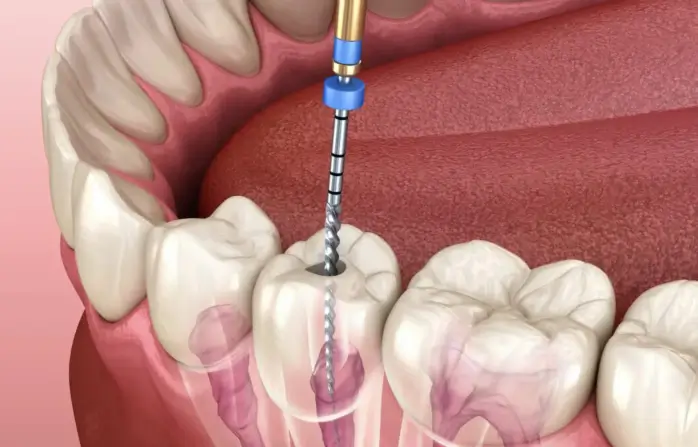
When oral health has been ignored for a while, the problems rarely stay small. A cavity that could have needed a simple filling may turn into a cracked tooth, an infection, or a root canal. Bleeding gums may point to early inflammation or more advanced gum disease. If you want a clearer sense of how tooth damage can progress, the National Institute of Dental and Craniofacial Research explains how tooth decay develops and why early treatment matters.
Then there is the emotional side. You might worry that the dentist will lecture you, or that the treatment plan will cost more than you can manage. You may even wonder, what is the point of going in if everything feels too far gone? That is often the moment when people delay again, which gives pain, infection, and gum problems more time to grow.
So, where does that leave you? Usually at the point where a family dentist becomes especially helpful. A family dental practice is built to care for patients across different ages and stages of life, and that often means they know how to meet people where they are. Instead of trying to fix everything at once, they can sort urgent issues from less urgent ones, explain what needs attention first, and build a step by step plan that feels possible.
This is one reason many people searching for a dental neglect recovery dentist end up doing well in a family practice. The care tends to be practical and personal. First, the dentist checks for pain, infection, swelling, broken teeth, and signs of active gum disease. Then they look at function, which means whether you can chew comfortably, clean your teeth well, and avoid further damage. If your gums are involved, the NIDCR also offers helpful background on gum disease, its warning signs, and treatment needs.
See also: Privacy Policy
How Can a Family Dentist Rebuild Oral Health Without Making It Overwhelming?
Recovery usually works best in phases. The first phase often focuses on relief and stability. That may include treating infection, filling cavities, deep cleaning the gums, or removing a tooth that cannot be saved. The next phase is restorative care, such as crowns, root canals, or replacing missing teeth when needed. After that comes maintenance, which is where regular cleanings, home care, and follow up visits protect the progress you have made.
What if money is tight? That matters, and a good plan should reflect real life. Family dentists often prioritize treatment so the most urgent needs are handled first. For example, a painful infected tooth may come before cosmetic work. A deep cleaning may come before replacing an older filling that is not causing harm. This kind of pacing can make restoring oral health after years of neglect feel less like a mountain and more like a series of clear next steps.
What if fear is the main barrier? Then the first win may simply be showing up and being honest. Many patients say the hardest appointment is the first one back. After that, uncertainty starts to fade because you finally know what is happening and what can be done about it.
What Are the Real Risks of Waiting Versus Getting Professional Dental Care?
When people try to manage serious dental issues at home, they often end up with more pain and higher costs later. Professional care does not just treat what hurts today. It also helps prevent the next problem from building quietly underneath the surface.
| Situation | Waiting or DIY Approach | Professional Family Dentist Care |
|---|---|---|
| Tooth pain | Pain relievers may mask symptoms, while decay or infection worsens | Exam and X rays can find the cause and guide treatment such as a filling, root canal, or extraction |
| Bleeding gums | Ignoring it can allow inflammation to progress into deeper gum problems | Cleaning and gum treatment can reduce infection and protect bone support |
| Broken or missing teeth | Chewing shifts to other teeth, which can lead to wear, cracks, and jaw strain | Restorative care can rebuild function and lower stress on nearby teeth |
| Long gaps between visits | Small issues often become larger and more expensive to fix | Regular checkups catch problems earlier and support lasting recovery |
For ongoing prevention, the CDC shares oral health tips for adults that support daily care between visits. These habits matter, but they work best when paired with a dentist who can spot hidden problems early.
What Can You Do Right Now If You Are Ready to Start Recovering?
1. Make the first appointment about information, not perfection.
You do not need to have everything figured out before you go. Your first goal is to learn what is urgent, what can wait, and what recovery may look like. If you feel embarrassed, say that out loud. Naming it often takes away some of its power.
2. Ask for a phased treatment plan.
If the amount of work feels intimidating, ask the dentist to break it into stages. Start with pain, infection, and anything that affects eating or sleeping. Then move to repair and maintenance. This approach is often the most realistic path in family dentist care.
3. Focus on one daily habit you can keep.
If your routine has been inconsistent, do not try to become perfect overnight. Pick one anchor habit, such as brushing every night with fluoride toothpaste or flossing one time each day. Small steady habits support healing far better than short bursts of effort.
Can Recovering From Dental Neglect Really Change How You Feel Day to Day?
Yes, and often in ways that go beyond your mouth. When pain eases, meals get easier. When infection is treated, sleep can improve. When your teeth feel cleaner and stronger, you may smile without thinking twice. That is the quiet power of working with a family dentist. The goal is not to shame your past. It is to help you protect your future.
If you have been putting this off, try not to read your delay as failure. Read it as a sign that you have been carrying something difficult for a long time. Recovery can begin with one appointment, one honest conversation, and one practical next step. A trusted family dentist can help you rebuild your oral health at a pace you can live with, so you can move forward with less pain and more confidence.