You might not think much about your gums until they bleed when you brush, feel sore when you eat, or start to pull away from your teeth. That is often how it begins. One small sign, then another, and suddenly you are wondering whether something serious is taking shape. If that sounds familiar, you are not overreacting. Gum disease can start quietly, and many people seeking family dental care in North Indianapolis do not notice it until the problem is harder to ignore.
The good news is that a few steady habits can go a long way. If you want the short version, here it is. The 5 preventive dentistry practices that protect against gum disease are brushing well, cleaning between teeth every day, getting regular dental checkups, eating in a way that supports oral health, and staying alert to early warning signs. These simple steps can lower your risk and help you keep your teeth and gums healthier over time.
Why can gum disease sneak up on you so easily?
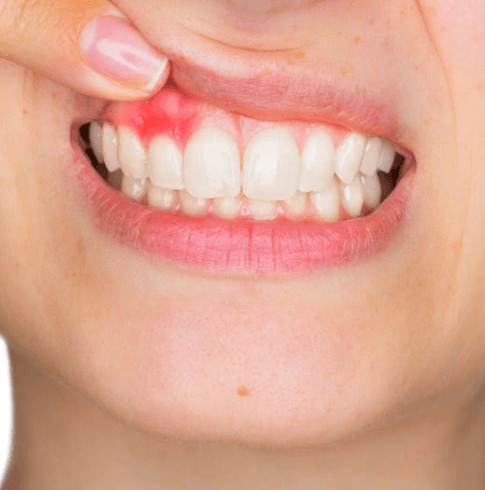
Gum disease often starts with plaque, a sticky film of bacteria that builds up on teeth and along the gumline. If it is not removed, it can irritate the gums and lead to inflammation. At first, this may look like redness, swelling, or bleeding. Because it may not cause much pain, it is easy to put off. You may tell yourself it is just from brushing too hard, or that it will settle down on its own.
But what if it does not? When early gum irritation is ignored, it can turn into a deeper infection that affects the tissue and bone supporting your teeth. That can mean more treatment, more cost, and more stress. According to the National Institute of Dental and Craniofacial Research, good oral hygiene habits remain one of the strongest defenses against these problems.
Because of this, prevention matters more than people often realize. A gum disease prevention routine is not about perfection. It is about doing a few important things consistently enough to stop trouble before it grows.
Which preventive dentistry habits matter most when you want to protect your gums?
The first habit is brushing twice a day with a soft bristle toothbrush and fluoride toothpaste. This helps remove plaque before it hardens into tartar. The second is cleaning between your teeth once a day with floss or another tool that works for you. Brushing alone misses areas where bacteria like to collect.
The third is seeing a general dentist for regular cleanings and exams. Even if your mouth feels fine, plaque and tartar can build up in places you cannot reach at home. A trained eye can also spot early signs of trouble before they become painful or costly.
The fourth is paying attention to what you eat and drink. Sugary snacks and drinks feed bacteria, while water, crunchy vegetables, and balanced meals help support a healthier mouth. The fifth is knowing the signs that should not be ignored, such as persistent bad breath, bleeding gums, tenderness, gum recession, or loose teeth.
If you have ever wondered whether bleeding gums are normal, the answer is usually no. The National Institute of Dental and Craniofacial Research offers helpful answers about gum disease symptoms and risk factors, and those signs are worth taking seriously.
How does home care compare with professional dental care?
Many people hope that brushing a little better will fix everything. Home care is the foundation, but it cannot do the whole job by itself. Some buildup needs professional tools to remove it, and some early changes in the gums are easier for a dentist to detect than for you to see in the mirror. So where does that leave you? In the best position when you use both.
| Preventive Step | What You Can Do at Home | What a General Dentist Adds | Why It Matters |
|---|---|---|---|
| Brushing | Brush twice a day for two minutes with a soft brush | Checks your technique and spots wear or missed areas | Removes plaque before it irritates gums |
| Cleaning between teeth | Floss or use interdental cleaners once a day | Recommends tools that fit your teeth and gum condition | Targets spaces where gum disease often begins |
| Professional cleaning | Cannot remove hardened tartar at home | Removes tartar and checks for early inflammation | Helps stop mild problems from getting worse |
| Diet and hydration | Limit sugar, drink water, choose balanced meals | Links diet patterns to signs seen in your mouth | Supports stronger teeth and healthier gums |
| Watching for symptoms | Notice bleeding, swelling, bad breath, or sensitivity | Confirms whether symptoms point to gum disease | Early action can reduce treatment needs later |
This is where preventive dental care becomes more than a routine. It becomes a way to avoid discomfort, protect your smile, and reduce the chance of bigger dental work later on.
What can you do right now to lower your risk?
1. Tighten up your daily cleaning routine.
Brush twice a day, every day, and clean between your teeth once a day. If floss is hard to use, ask about picks, interdental brushes, or water flossers. The best tool is the one you will actually use.
2. Stop ignoring small warning signs.
If your gums bleed, feel puffy, or look different than they used to, pay attention. These changes are often early clues, not random annoyances. Older adults and people with health conditions may need to be even more watchful. The National Institute on Aging shares useful guidance on taking care of your teeth and mouth, including signs that deserve prompt care.
3. Keep regular visits with your general dentist.
Even strong home care works better when it is backed by routine exams and cleanings. A general dentist can track changes over time, remove buildup you cannot reach, and help you adjust your routine before a small issue turns into gum disease.
See also: How Do Ecommerce Automation Services Support Insurance Businesses in Scaling Operations?
What does all of this mean for your long term oral health?
Protecting your gums does not require a complicated plan. It asks for consistency, awareness, and timely care. If your mouth has been sending you signals, this is a good time to listen. Small actions taken now can help you avoid pain, tooth loss, and more involved treatment later.
If you are ready to strengthen your routine, schedule a visit with a general dentist and ask whether your gums show any early signs of trouble. A little prevention now can spare you a lot later.