Maintaining clear plastic surfaces on a boat is essential for both visibility and overall appearance. Over time, scratches and surface imperfections can develop due to environmental exposure and routine use. Fortunately, using the right products and techniques can restore clarity and extend the life of these surfaces.
For premium marine care solutions, explore EZ2CY USA to understand how specialized products are designed to protect and restore marine enclosures.
Why Plastic Surfaces Get Scratched Easily
Plastic materials used in marine environments are durable but not immune to damage. Their composition makes them more flexible than glass, which also makes them more prone to scratches if not handled properly.
Environmental Exposure and Wear
Constant exposure to salt, wind, and debris contributes to gradual surface wear. Fine particles carried by wind or water can create micro abrasions over time. UV rays also weaken the surface, making it more susceptible to visible damage.
Improper Cleaning Techniques
Using rough cloths, paper towels, or abrasive brushes can easily scratch plastic surfaces. Applying excessive pressure or using unsuitable cleaning agents further increases the risk of damage. Even small mistakes in cleaning routines can lead to noticeable imperfections.
What Is a Plastic Scratch Remover and How Does It Work
A plastic scratch remover is a specially formulated product designed to restore smoothness and clarity to plastic surfaces. It works by minimizing the appearance of scratches and improving overall finish.
Polishing vs Filling Scratches
Some scratch removers work by polishing the surface to reduce the depth of scratches, making them less visible. Others fill in minor imperfections to create a smoother finish. Polishing is generally preferred for maintaining clarity, while filling can provide temporary cosmetic improvement.
Types of Scratch Removers Available
There are various types of scratch removers designed for different levels of damage. Light polish solutions are ideal for minor surface marks, while more advanced formulas are used for deeper scratches. Choosing the right type ensures effective results without causing additional damage.
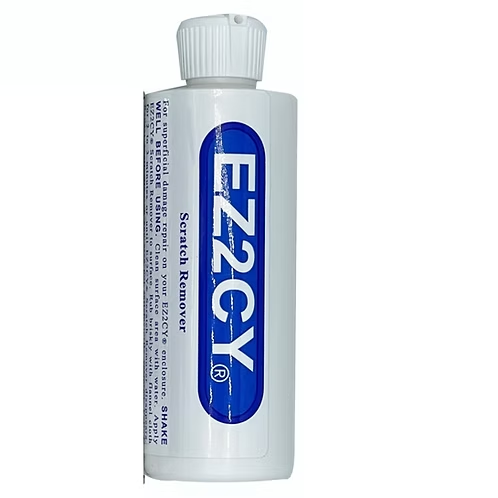
For effective restoration, consider using a high-quality plastic scratch remover designed specifically for marine applications.
Step-by-Step Guide to Using Plastic Scratch Remover
Using a scratch remover correctly is essential to achieve optimal results. Following a structured process helps ensure clarity and prevents further damage.
Cleaning the Surface Before Application
Begin by thoroughly cleaning the surface to remove dirt, salt, and debris. This step is crucial because any remaining particles can cause additional scratches during the polishing process. Use a gentle cleaner and a soft microfiber cloth for best results.
Applying the Scratch Remover Correctly
Apply a small amount of scratch remover to a clean, soft cloth. Gently rub the product onto the scratched area using circular motions. Avoid applying excessive pressure, as this can worsen the damage. Work in small sections to maintain control and ensure even application.
Buffing and Finishing for Best Results
After applying the product, use a clean cloth to buff the surface. This step enhances clarity and removes any residue. Continue buffing until the surface appears smooth and clear. Repeat the process if necessary for deeper scratches.
Tips for Maintaining Clear Plastic Surfaces
Regular maintenance plays a key role in preserving the clarity and durability of plastic surfaces. Preventive care reduces the need for frequent repairs.
Regular Cleaning Routine
Establishing a consistent cleaning routine helps prevent dirt buildup and minimizes the risk of scratches. Use marine-safe cleaning products and rinse surfaces thoroughly after each use.
Using Non-Abrasive Materials
Always use soft cloths or microfiber materials when cleaning or polishing plastic surfaces. Avoid paper towels or rough fabrics that can cause micro scratches.
Protecting Against UV Damage
UV exposure can weaken plastic and make it more prone to damage. Applying protective coatings or storing the boat in shaded areas helps reduce the impact of sunlight.
Common Mistakes to Avoid When Using Scratch Removers
Even with the right product, improper usage can lead to unsatisfactory results. Avoiding common mistakes ensures effective restoration.
Over-Polishing the Surface
Excessive polishing can wear down the surface and reduce its thickness over time. It is important to apply only the necessary amount of product and avoid repeated polishing in the same area.
Using the Wrong Product Type
Not all scratch removers are suitable for marine plastics. Using the wrong formula can cause discoloration or further damage. Always choose products specifically designed for marine applications.
Skipping Surface Preparation
Failing to clean the surface before applying a scratch remover can trap debris and cause additional scratches. Proper preparation is essential for achieving a smooth finish.
When to Repair vs Replace Plastic Panels
Understanding when to repair or replace plastic panels is important for maintaining both functionality and safety. Not all damage can be fixed with polishing alone.
Identifying Deep vs Surface Scratches
Surface scratches can usually be treated effectively with a scratch remover. However, deep scratches that penetrate the material may require professional repair or replacement. Assessing the depth of the damage helps determine the best course of action.
Benefits of High-Quality Marine Panels
Investing in high-quality marine panels ensures better resistance to scratches and environmental damage. Durable materials maintain clarity for longer periods and require less frequent maintenance.
High-performance solutions from EZ2CY are designed to provide superior clarity and long-lasting durability for marine enclosures.
Final Thoughts on Plastic Scratch Removal
Using a plastic scratch remover is an effective way to restore clarity and maintain the appearance of marine plastic surfaces. By understanding the causes of scratches and following proper techniques, boat owners can significantly extend the lifespan of their enclosures.
Consistent maintenance, combined with the right products, helps prevent damage and ensures optimal visibility. Choosing marine-specific solutions and applying them correctly makes a noticeable difference in both performance and aesthetics.
For more details about the brand and its expertise, visit the about us page to learn more.
FAQs
1. What is the best way to remove scratches from plastic surfaces?
The best approach is to use a marine-grade plastic scratch remover along with a soft cloth and gentle polishing technique.
2. Can all scratches be removed from plastic?
Minor surface scratches can usually be removed, but deep scratches may require professional repair or replacement.
3. How often should I use a plastic scratch remover?
It should be used only when necessary to avoid over-polishing. Regular maintenance can reduce the need for frequent use.
4. Is it safe to use regular polish on marine plastic?
Regular polish is not recommended, as it may not be suitable for marine materials and can cause damage.
5. How can I prevent scratches on plastic surfaces?
Use non-abrasive cleaning tools, avoid harsh chemicals, and follow a consistent maintenance routine to minimize the risk of scratches.