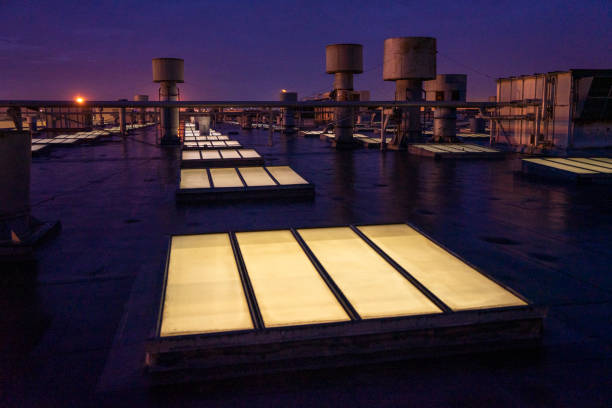
When it comes to bringing natural light into flat roof areas, homeowners and builders are often faced with a choice between sleek flat skylights and traditional dome designs. While modern glazing trends lean toward minimalist aesthetics, polycarbonate roof domes continue to stand out as one of the most practical, reliable, and cost-effective solutions for flat roof spaces.
Their long-standing popularity is not accidental. These roof domes have proven themselves over decades of use in residential, commercial, and industrial settings. From garages and hallways to utility rooms and extensions, they deliver consistent performance where it matters most: durability, daylight efficiency, and weather resistance.
In this guide, we’ll explore why polycarbonate roof domes remain a top choice, how they compare with flat skylights, and why they continue to be trusted in demanding flat roof environments.
What Are Polycarbonate Roof Domes?
Polycarbonate roof domes are raised, curved rooflight structures made from strong polycarbonate material. Installed on flat or low-pitch roofs, they are designed to allow natural light into interior spaces while providing protection against weather conditions.
Unlike flat glass skylights, which sit flush with the roof surface, dome rooflights are elevated and curved. This simple design difference plays a major role in their performance advantages.
Polycarbonate roof domes are typically used in:
- Residential flat roof extensions
- Garages and workshops
- Hallways and stairwells
- Utility rooms and storage areas
- Commercial and industrial buildings
Their versatility and resilience have made them a go-to option for decades.
The Key Advantage: Superior Daylight Diffusion
One of the biggest reasons polycarbonate roof domes remain popular is their ability to diffuse natural light effectively.
How Dome Shape Enhances Light Distribution
The curved structure of a dome naturally captures daylight from multiple angles throughout the day. Instead of allowing direct sunlight beams (which can create harsh shadows), the dome spreads light evenly across the room.
This results in:
- Softer, more natural illumination
- Reduced glare on screens and surfaces
- More comfortable indoor environments
- Even lighting in deeper or narrow spaces
In contrast, flat skylights often rely on direct overhead light entry, which can create hotspots of brightness and uneven lighting patterns.
For areas like hallways, staircases, and utility rooms—where consistent lighting is more important than dramatic design—polycarbonate roof domes offer a clear advantage.
Exceptional Performance in Rain and Weather Conditions
Flat roofs are particularly vulnerable to water pooling and drainage issues. This is where dome rooflights truly outperform flat glazing systems.
Why Dome Shape Matters for Drainage
The curved surface of polycarbonate roof domes ensures that rainwater naturally flows away instead of collecting on top. Gravity works in favour of the dome’s shape, reducing the risk of:
- Water pooling
- Staining and dirt buildup
- Seal degradation
- Long-term leakage risks
This self-draining design is one of the most practical features for UK weather conditions, where frequent rainfall is expected throughout the year.
Flat skylights, on the other hand, rely heavily on perfect roof pitch and drainage systems. Even minor imperfections can lead to water accumulation over time.
High Impact Resistance for Safety and Longevity
Another major reason polycarbonate roof domes remain widely used is their exceptional strength.
Polycarbonate is known for its impact-resistant properties—far stronger than traditional glass. In many cases, it can withstand heavy impact without cracking or shattering.
Benefits of Impact Resistance:
- Protection against hail and falling debris
- Safer for high-traffic roof environments
- Reduced risk of breakage during maintenance work
- Long-lasting structural integrity
This makes dome rooflights especially suitable for garages, workshops, and utility spaces where external impact risk is higher.
Even in residential settings, safety is a key consideration—especially for homes with children or nearby trees that may drop branches during storms.
Polycarbonate Roof Domes vs Flat Skylights
To understand why domes are still relevant, it helps to directly compare them with flat skylights.
1. Design and Aesthetics
- Flat skylights: Modern, minimal, architectural appeal
- Roof domes: Traditional, functional, practical appearance
While flat skylights may suit high-end modern homes, domes excel in utility-focused applications where performance matters more than visual integration.
2. Water Management
- Flat skylights: Require precise installation and drainage design
- Roof domes: Naturally shed water due to curved shape
This makes polycarbonate roof domes significantly more forgiving in real-world conditions.
3. Daylight Quality
- Flat skylights: Direct light, sharper brightness contrast
- Roof domes: Diffused, evenly distributed light
Domes win in spaces where soft ambient lighting is preferred.
4. Durability
- Flat skylights: Often use glass, more prone to cracking under impact
- Roof domes: Polycarbonate offers high impact resistance
For safety and longevity, domes remain a reliable choice.
5. Cost Efficiency
- Flat skylights: Higher material and installation cost
- Roof domes: More affordable and easier to install
This makes domes ideal for budget-conscious renovations or large-scale installations.
See also: How to Buy Diffuser for Better Air Quality and Relaxation at Home
Ideal Applications for Polycarbonate Roof Domes
Not all spaces require high-end architectural glazing. In many cases, functionality is more important. This is where roof domes excel.
1. Garages
Garages often lack windows, making natural light essential. Roof domes provide:
- Bright, usable daylight
- Improved visibility for tasks
- Low-cost installation
2. Hallways and Corridors
These are typically narrow, enclosed spaces where lighting consistency matters.
Polycarbonate roof domes help:
- Eliminate dark zones
- Improve safety and navigation
- Reduce reliance on artificial lighting during the day
3. Utility Rooms
Utility spaces prioritize function over aesthetics. Domes provide:
- Practical lighting
- Ventilation options (in some models)
- Durable, low-maintenance performance
4. Stairwells
Staircases can be difficult to light naturally. Domes installed above stairwells:
- Enhance safety
- Improve visibility
- Create a more open feel
5. Extensions and Flat Roof Rooms
For budget-friendly extensions, polycarbonate roof domes offer an effective way to introduce daylight without the high cost of premium skylight systems.
Thermal Performance and Energy Efficiency
Modern polycarbonate roof domes are not just about durability—they also contribute to improved insulation performance.
How They Help Energy Efficiency
Many dome systems are designed with:
- Multi-wall polycarbonate layers
- Air gaps that reduce heat transfer
- UV-protective coatings
These features help regulate indoor temperatures by:
- Reducing heat loss in winter
- Limiting heat gain in summer
- Supporting lower energy consumption
While they may not match premium triple-glazed skylights, they offer a strong balance between cost and performance.
Low Maintenance and Long Service Life
One of the reasons dome rooflights have remained popular for decades is their low maintenance requirements.
Maintenance Advantages:
- Easy to clean curved surface
- Resistant to moss and debris buildup
- Fewer structural stress points than flat glass
- Long-lasting seals and frames
Because polycarbonate roof domes are built for resilience, they require minimal upkeep compared to more delicate glazing systems.
Installation Benefits
From a contractor’s perspective, dome rooflights are also easier and faster to install.
Why Installers Prefer Them:
- Lightweight material reduces handling difficulty
- Simple mounting systems
- Compatible with most flat roof types
- Less structural reinforcement needed
This translates into lower installation costs for homeowners and quicker project completion times.
Are Polycarbonate Roof Domes Still Modern?
While architectural trends have shifted toward sleek, flat glazing, polycarbonate roof domes are far from outdated. Instead, they represent a different design philosophy—one focused on practicality, safety, and long-term performance.
Modern versions of dome rooflights now include:
- UV-resistant coatings to prevent yellowing
- Improved thermal insulation layers
- Enhanced aesthetics with cleaner profiles
- Better sealing systems for airtight performance
This evolution has allowed them to remain relevant even in contemporary construction projects.
Final Thoughts
Despite the rise of minimalist flat skylights, polycarbonate roof domes continue to hold a strong position in the market—and for good reason. Their combination of durability, affordability, and functional performance makes them one of the most dependable solutions for flat roof spaces.
They excel in real-world conditions where drainage, impact resistance, and consistent daylight matter more than architectural minimalism. From garages and hallways to utility rooms and extensions, dome rooflights offer a practical answer to everyday lighting challenges.
While flat skylights may suit design-led projects, polycarbonate roof domes remain the smarter choice for homeowners who value reliability, safety, and cost efficiency.
In the end, their continued popularity is simple: they work exceptionally well, they last a long time, and they solve the core problems of flat roof lighting better than most alternatives.