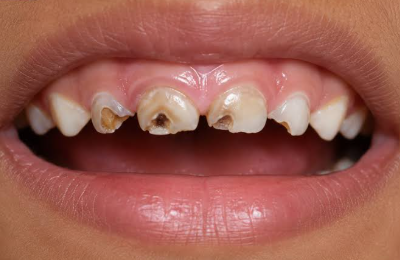
You paid for a brighter, smoother, more even smile because you wanted to feel good when you looked in the mirror. Then real life stepped back in. Coffee stains happen, night grinding happens, dry mouth happens, and the worry creeps in that your veneers, bonding, whitening, or crowns will not stay looking the way they did on day one. That concern makes sense. Keeping cosmetic dental work looking its best usually comes down to a few steady habits, regular checkups, and catching small problems before they turn into expensive ones. If you are looking for a Dentist in Blackfoot, ID, regular professional care can help protect your results.
Cosmetic dentistry can hold up beautifully, but it is not maintenance free. A whitening treatment can fade. Bonding can chip. Veneers can lose their polish if you treat them like natural enamel. Even strong materials still live in a mouth that deals with heat, acid, pressure, and bacteria every single day. The good news is that you do not need a complicated routine. You need the right one.
Cosmetic dental work lasts longer when daily habits support it
The biggest mistake people make is assuming cosmetic work is tougher than it is. A porcelain veneer may resist stains better than natural enamel, but the edges around it can still discolor. Dental bonding can look seamless, yet it tends to stain faster than porcelain. Whitening can lift years of discoloration, but if dark drinks are part of your daily routine, the color can shift back sooner than you expected.
That is where a general and cosmetic dentist helps. Good dental work is only part of the picture. The rest is what happens after the appointment, when your habits either protect the result or slowly wear it down. If you clench your jaw at night, chew ice, sip soda all afternoon, or brush too hard with a rough toothpaste, the damage often starts quietly. You may not notice it until a small chip catches your tongue or the color no longer matches.
Dry mouth is another issue people often miss. Saliva protects your teeth and dental work by washing away food particles and balancing acids. When your mouth stays dry, plaque builds up faster and stain risk rises. The NIH overview on dry mouth explains why this matters and why treatment can protect both comfort and appearance.
See also: Turbine Blend Polish Peen Services: Enhancing Performance and Component Life
Smart cleaning habits protect veneers, bonding, whitening, and crowns
The best cleaning routine is gentle and consistent. Brush twice a day with a soft bristle toothbrush and a non abrasive toothpaste. Hard scrubbing does not make teeth cleaner. It can scratch surfaces, wear down polish, and irritate your gums, which affects the look of your smile as much as the teeth themselves.
Flossing matters more than many people realize. Cosmetic work looks best when the gumline stays healthy and tight. If plaque sits between teeth or along the edges of restorations, inflammation can make even beautiful work look uneven or dull. The CDC oral health tips for adults reinforce the basics that still matter most, even after cosmetic treatment.
Food and drink choices also show up on your smile. Coffee, tea, red wine, cola, tomato sauces, berries, and tobacco are common stain sources. You do not need to avoid every favorite forever, but rinsing with water after dark or acidic foods helps. Using a straw for cold drinks can also reduce contact with front teeth.
Professional follow up prevents small cosmetic dental problems from growing
Home care does a lot, but it cannot replace regular dental visits. A cosmetic dentistry maintenance plan often includes cleanings, exams, and occasional polishing that are matched to the type of work you have. A dentist can spot early wear, check margins around crowns or veneers, and adjust a bite that is putting too much pressure on one area.
This matters even more if you grind your teeth or have a history of gum disease. A night guard can save you from cracks, chips, and soreness that slowly shorten the life of your dental work. If your gums recede, the edges of veneers or crowns may become more visible, which changes the whole look of the smile. The HRSA page on adult oral health also points to the broader health value of staying current with dental care.
Daily choices and professional care affect cosmetic results differently
| Habit or Care Choice | What It Helps | What Can Go Wrong Without It |
|---|---|---|
| Soft toothbrush and gentle toothpaste | Protects polish on veneers, bonding, and crowns | Surface scratches, dullness, gum irritation |
| Flossing every day | Keeps gumline clean and supports natural looking edges | Plaque buildup, bleeding gums, visible discoloration near margins |
| Rinsing after coffee, wine, or soda | Reduces stain contact and acid exposure | Faster color change, enamel wear around cosmetic work |
| Night guard for grinding | Protects against pressure damage and chipping | Cracks, chips, bite changes, jaw soreness |
| Regular cleanings and exams | Finds early problems before they become costly | Hidden wear, loose bonding, gum issues, avoidable repairs |
Smile care tips that make a visible difference right away
Choose less abrasive products. Check your toothbrush and toothpaste first. If the bristles are firm or the toothpaste feels gritty, switch. This is one of the fastest ways to reduce wear on cosmetic surfaces and protect shine.
Protect your teeth from pressure. If you wake up with jaw tension, flattened teeth, or headaches, ask about grinding. Cosmetic work often fails from force before it fails from decay. A custom night guard can preserve both comfort and appearance.
Set a stain control routine. Drink water after coffee, tea, and wine. Do not smoke. If you whitened your teeth, ask your dentist whether touch up treatments make sense and how often. Small upkeep is usually easier than trying to fix heavy discoloration later.
Long term cosmetic dental care is simpler than repair
Your smile does not need perfection to stay beautiful. It needs attention, a few protective habits, and regular care from a dentist who understands both health and appearance. If you want your whitening, veneers, bonding, or crowns to keep looking natural, treat them like an investment that responds well to steady care. Maintaining a beautiful smile after dental work is less about doing everything and more about doing the right things consistently.
If your cosmetic dental work looks dull, feels rough, or no longer matches the rest of your smile, schedule a visit with a general and cosmetic dentist. A small adjustment now can help you avoid a much bigger repair later.